
The End of USAID Health Support: What It Means for East Africa
As USAID’s health funding winds down, East Africa faces a growing crisis. Access to HIV treatment is shrinking, and local health systems risk collapse. In this challenging moment, SolidarMed is stepping up, strengthening its work in primary care, infectious disease control, and maternal and child health. What lies ahead for the region’s most vulnerable communities? Watch SRF’s interview with SolidarMed President Prof. Niklaus Labhardt discussing what’s at stake, and what must be done to safeguard decades of hard-won progress.
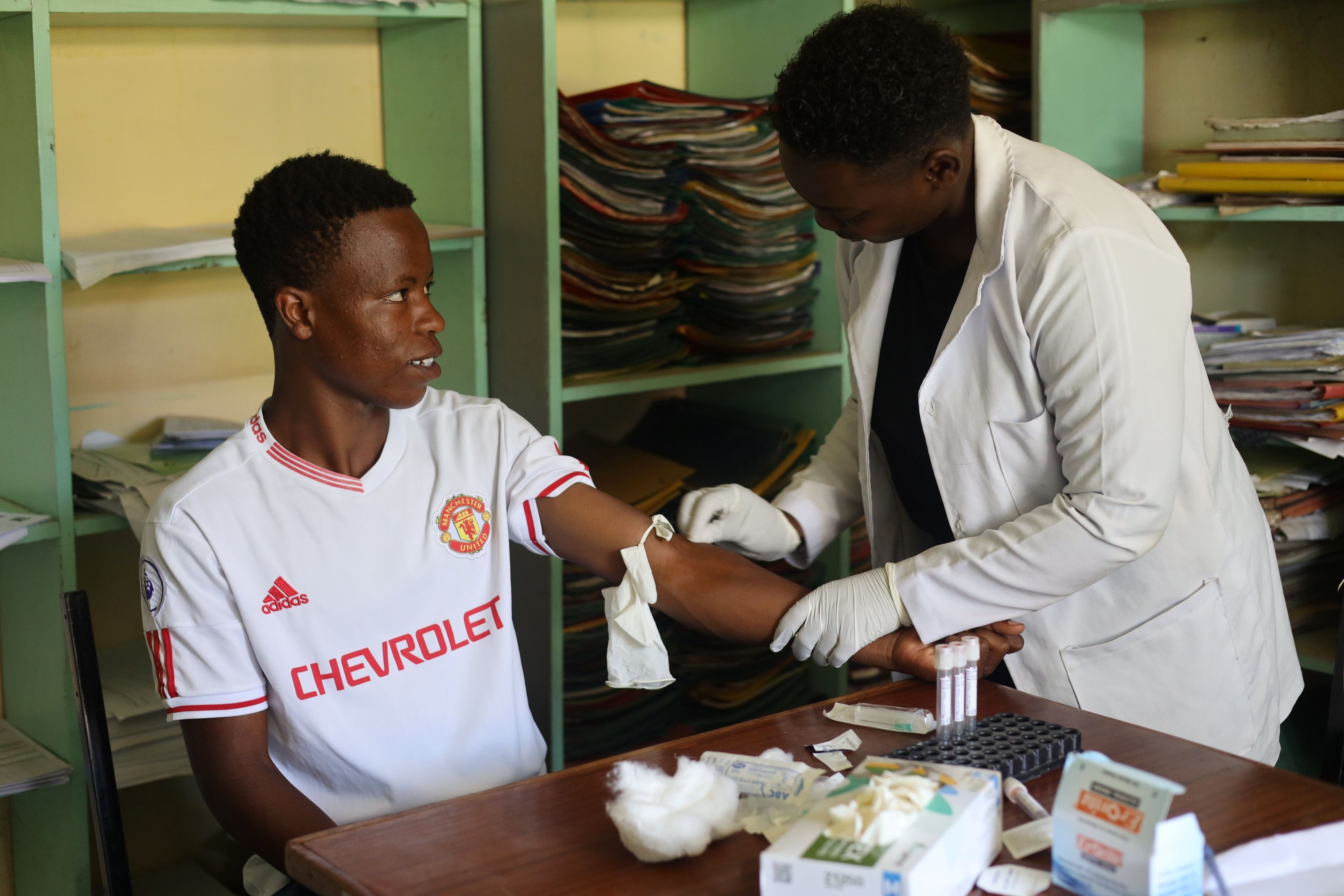
Health has long been a core pillar of the U.S. Agency for International Development (USAID), alongside economic development and humanitarian aid. Until recently, USAID accounted for two-thirds of all bilateral global health cooperation, with 25% of its budget dedicated to health. Its overarching strategy focused on strengthening health systems and expanding access to primary healthcare, with key priorities including HIV/AIDS, tuberculosis, malaria, maternal and child health, sexual and reproductive health and rights, and health promotion.
The U.S. commitment to global health has delivered remarkable results: maternal and child mortality, malaria cases, and HIV-related deaths have all declined significantly. At the same time, debates have emerged over whether this support may have fostered dependency.
The abrupt and comprehensive end of USAID’s health funding is having immediate, far-reaching consequences in SolidarMed’s partner countries. In Kenya, children living with HIV only receive two weeks of antiretroviral medication supply, with no certainty about future availability. In Tanzania, HIV test kits are running out. In Lesotho, the rollout of long-acting HIV prevention and treatment - considered a game-changer to end Aids - is at risk. Many local organizations, heavily reliant on USAID funding, are running out of resources, and skilled local development experts are losing their jobs.
Looking ahead, SolidarMed anticipates a surge in HIV-related deaths, new infections, and drug resistance. Tuberculosis will worsen quickly. Malaria cases are expected to rise, as are teenage pregnancies and life-threatening complications during childbirth. The risk of local and global epidemics will grow, the strain on local healthcare systems will intensify, and the growing burden of disease will drive greater demand for health services.
In response, SolidarMed remains committed to primary healthcare. In addition to its work on non-communicable diseases, the organization will strengthen its focus on infectious diseases, reproductive, maternal, newborn, and child health, community-based health interventions, and preparedness and response.
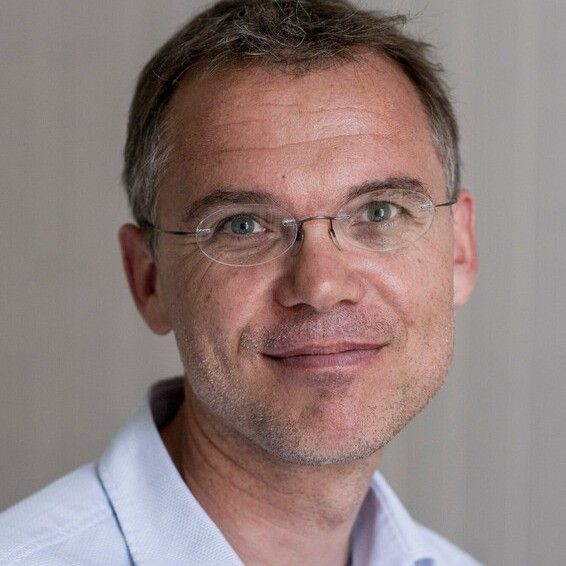
For those interested, here is a brief interview with SolidarMed’s President, Prof. Niklaus Labhardt, on SRF