
Successful launch of 1st National Stroke Awareness Campaign in the Republic of Moldova
Between October 29 and November 12, 2024, the Ministry of Health of the Republic of Moldova, with the support of the Swiss Cooperation Office and the Healthy Life Project successfully launched the country’s first national campaign to raise awareness about the early signs of stroke. The campaign aimed to inform the population about the importance of quickly recognizing stroke symptoms and promptly contacting emergency services—an essential step in preventing this condition that affects approximately 8,000 people annually in Moldova.
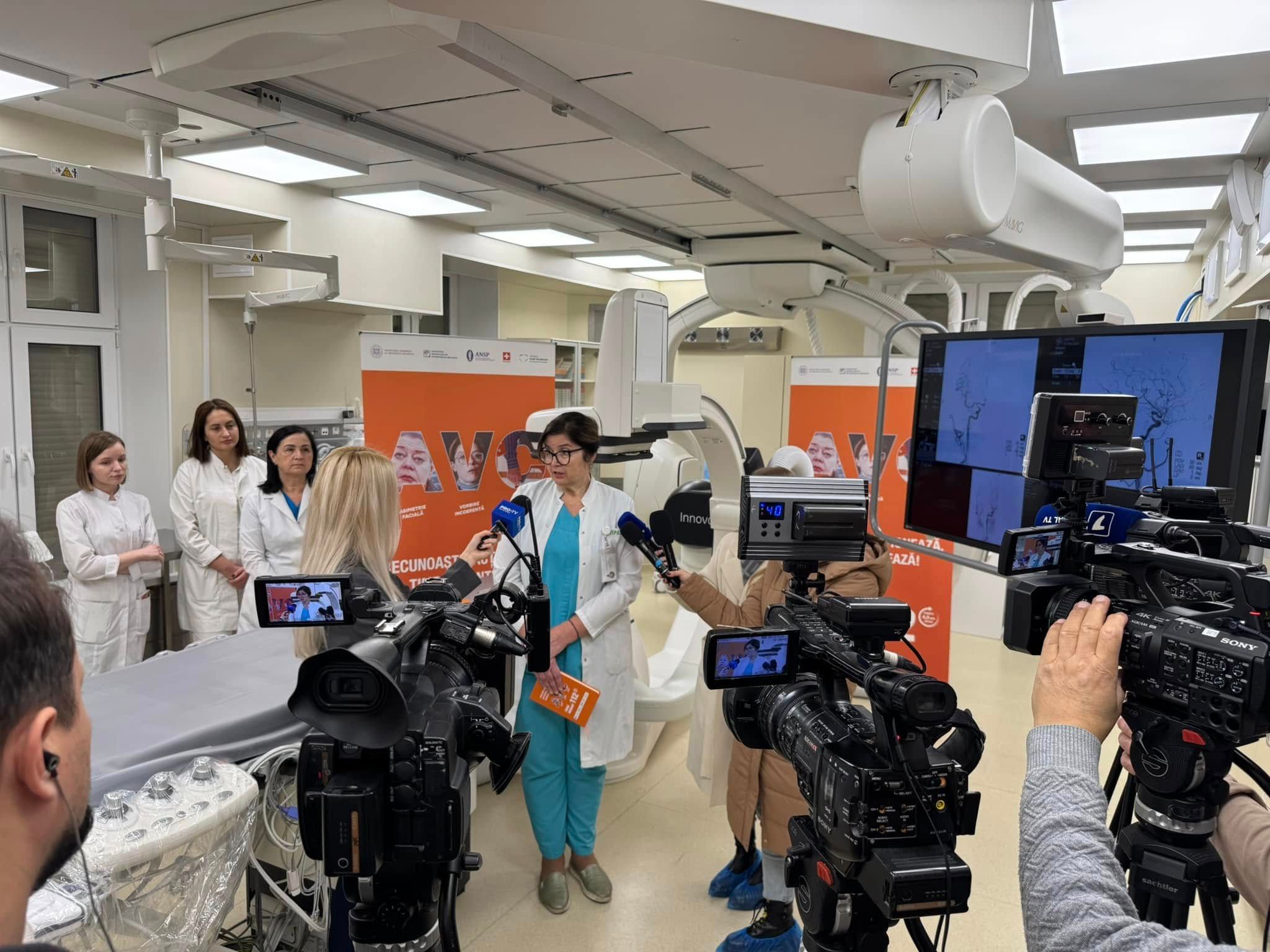
The Ministry of Health of Moldova: Stroke Awareness Campaign
The Ministry of Health of Moldova has been working with international donors to establish stroke units in various regions of the country. In synergy with these efforts, support was requested to develop and run a communication campaign to encourage early recognition of stroke symptoms. This initiative addresses the critical issue that 30% of stroke victims suffer severe disabilities due to delays in seeking treatment. In Moldova, the average time between the appearance of stroke signs and medical intervention is 15 hours—far beyond the optimal treatment window of 4.5 hours—highlighting the urgency of promoting rapid intervention.
The campaign’s slogan, «RECOGNIZE. ACT. TIME MATTERS!», served as a powerful call to action, emphasizing the importance of recognizing stroke symptoms, acting quickly to seek medical assistance, and ensuring life-saving treatment within the critical timeframe.
To maximize outreach, the organizers implemented an integrated marketing strategy, utilizing a mix of media channels: national and local events, TV and radio spots, digital media, and social networks. Messages were tailored for different age groups and living environments, targeting adults and elderly individuals (45–80+ years) at higher risk of stroke, as well as young and active adults (13–45 years) who could act as lifesavers in emergencies.
The campaign materials comprised 21 diverse products, including: TV and radio spots on stroke symptoms, Explanatory infographics, Advertorials, Testimonials from patients and their families, Portraits of healthcare workers from the 13 stroke treatment centers, Posters, flyers, street banners, and web content.
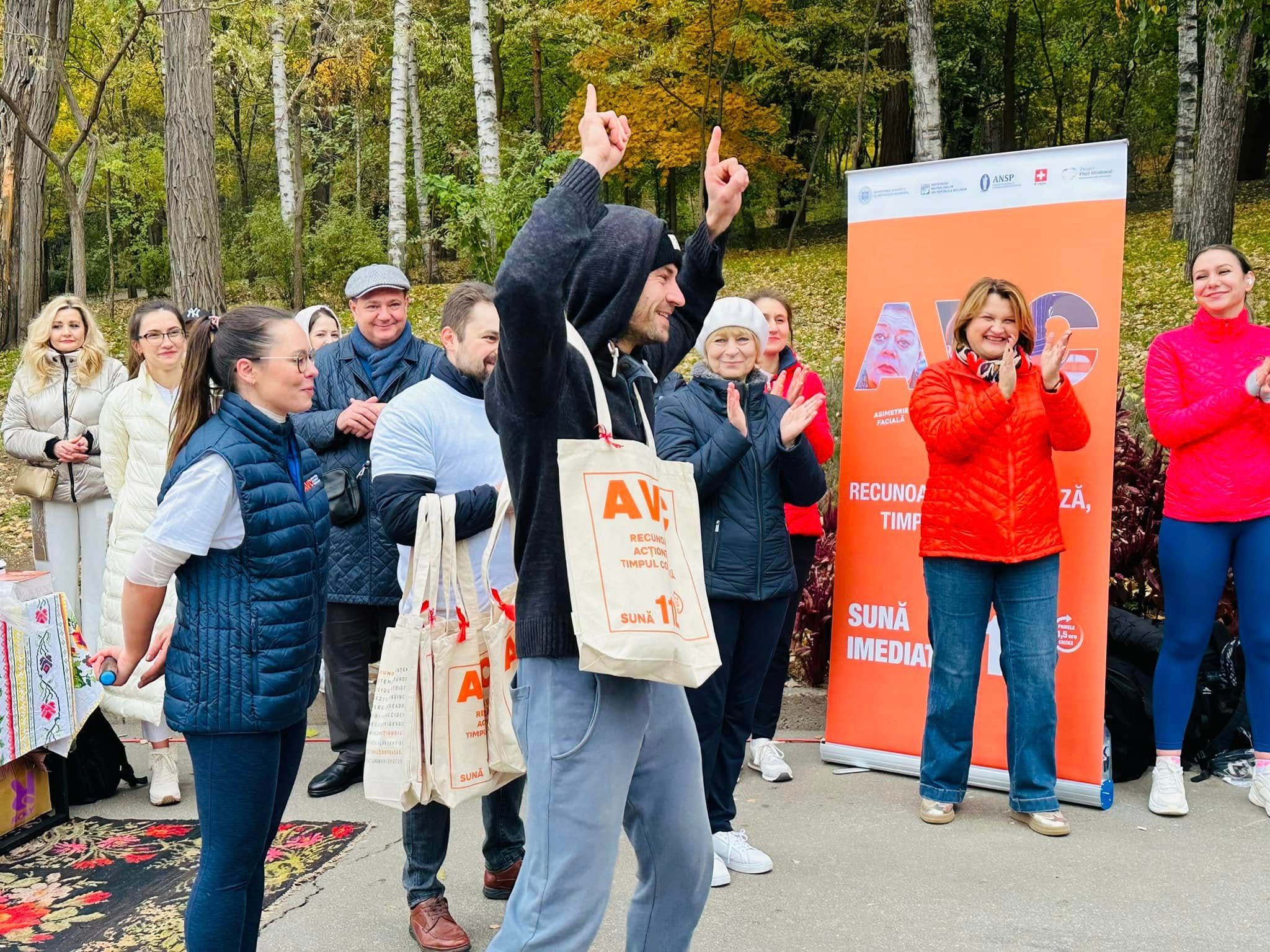
Impact Assessment
A critical component of the campaign was evaluating its effectiveness through focus groups conducted with 32 men and women from urban and rural areas. These sessions provided valuable insights into the campaign's reach and impact.
Among young and active adults (13–45 years), 50% of participants had heard about the campaign. Social media emerged as the most significant channel, with 56% of participants citing it as their source, followed by news portals and websites (31.5%). Furthermore, 62.5% of respondents indicated they would immediately call 112 if they noticed stroke symptoms, and 55% correctly identified typical stroke signs, such as facial asymmetry, slurred speech, and arm weakness.
In focus groups with adults and elderly individuals (45–80+ years), campaign recognition was even higher at 90%. Among these participants, 75% learned about stroke symptoms through traditional media (TV and radio) and direct events organized during the campaign. This highlights the crucial role of traditional channels and face-to-face interactions in disseminating vital health information to older populations. Additionally, 75% of these participants correctly recognized stroke signs, demonstrating the campaign’s significant impact on this demographic.
Key Takeaways
- Young and adult individuals in urban areas are familiar with stroke signs and respond quickly but need more information about stroke treatment centers in Moldova.
- Elderly individuals in rural areas prefer traditional media and direct educational events as their primary sources of information.
Conclusion
The national campaign demonstrated the effectiveness of an integrated information strategy, reaching a substantial number of individuals across diverse age groups and living environments. However, to achieve public health objectives and reduce the average time from stroke symptom onset to medical intervention, repeated and expanded messaging efforts are essential. These efforts could significantly save lives and reduce the societal and familial burden of stroke.