
Integration of Health in other topics
Achieving better health outcomes requires action beyond the health sector. Food systems, climate and environmental conditions, education, governance, gender, peace, equality, among others, all influence health and people's well-being. Integrating health dimentions into these thematic areas helps prevent disease, promote equity, strengthen resilient systems and maximise co-benefits across development interventions.
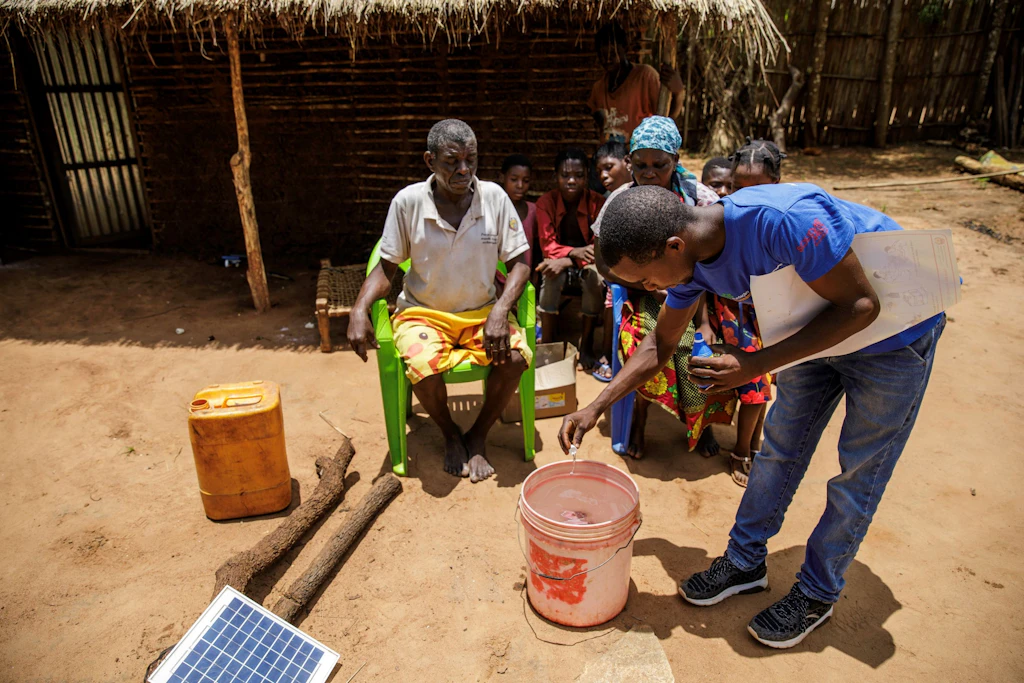
Climate, Disaster Risk Reduction and Environment
Climate, disaster risk reduction and environmental (CDE) factors are directly and indirectly linked to health outcomes, as climate and the environment are important determinants of health. Integrating CDE dimensions into health policies and programmes can help prevent disease, strengthen resilient health systems and create co-benefits across sectors. For example, reducing air pollution and adapting health services and infrastructure to climate-related risks can reduce heat-related, respiratory and other environment-related diseases.
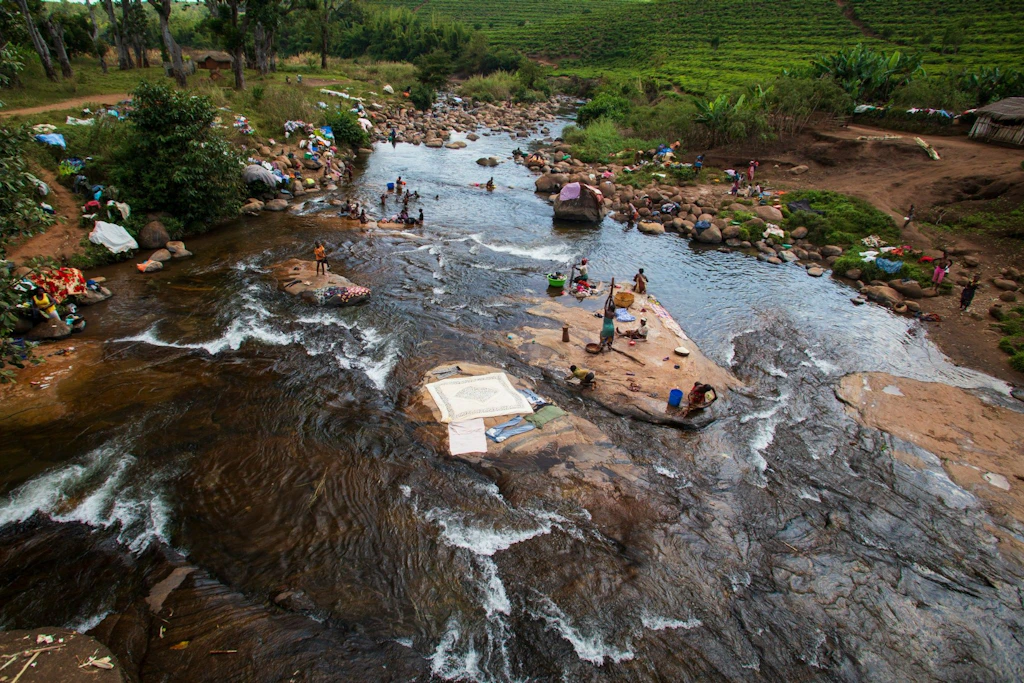
Food Systems
Food systems play a critical role in shaping health outcomes through their impact on nutrition, food security and environmental sustainability. Integrating food systems perspectives into health policies and programmes helps address malnutrition in all its forms, promote healthy and nutritious diets, and reduce diet-related diseases. Supporting sustainable food systems can improve population health while contributing to environmental protection, climate resilience and sustainable livelihoods.
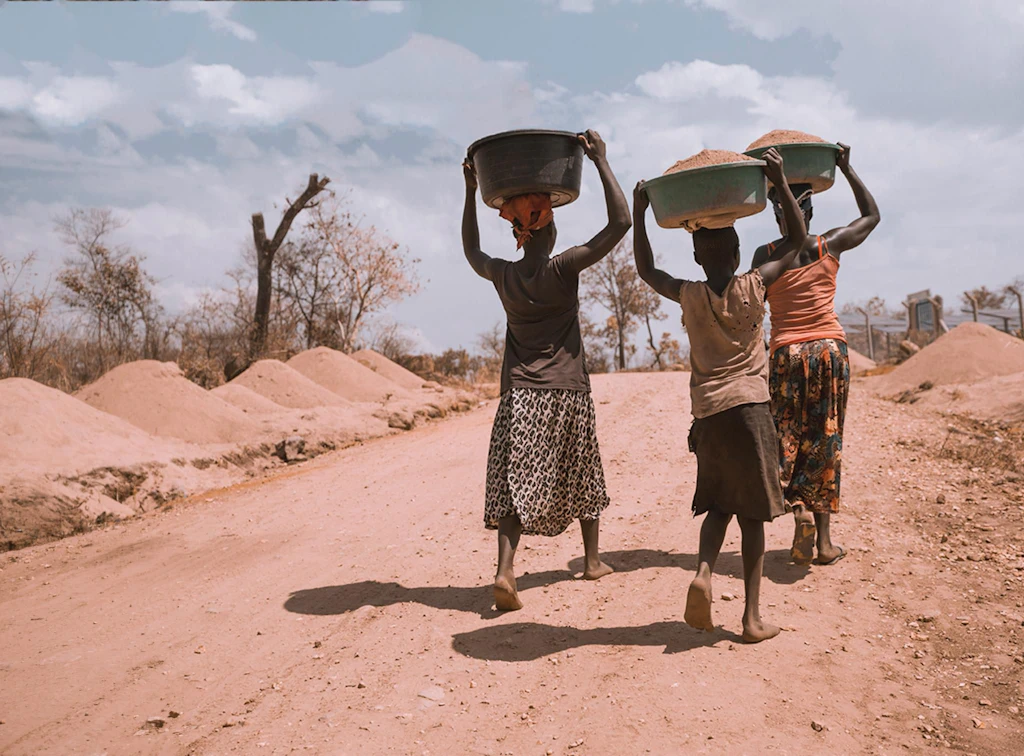
A Thematic Integration Brief (TIB) for Health and Food Systems will be available soon.