
Home Care – Improving Accessibility to Healthcare for Vulnerable Groups
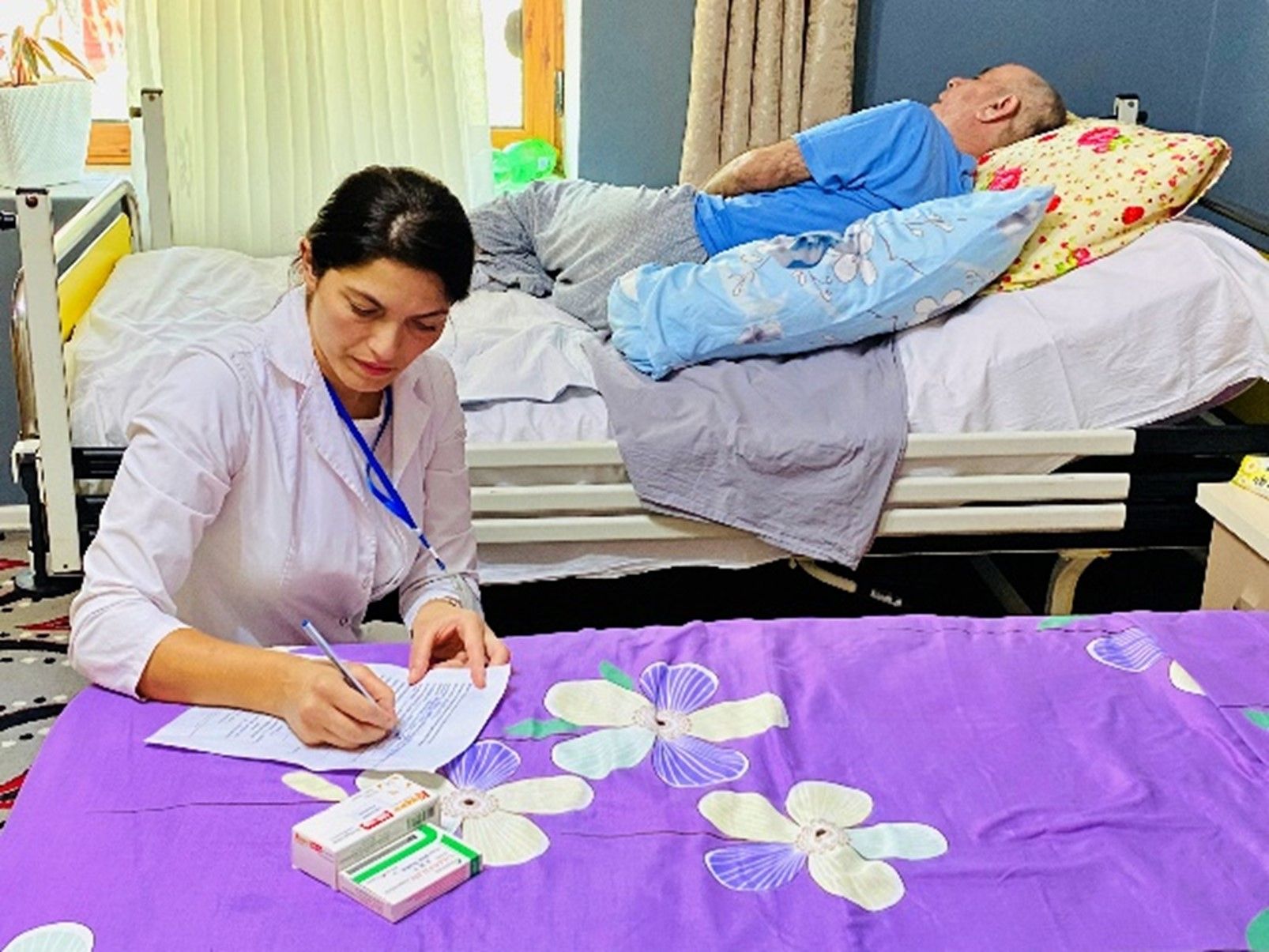
In Albania, an estimated 15,000 to 20,000 individuals are unable to leave their homes to access healthcare services because of disabilities from chronic diseases. These patients live often in difficult economic conditions, with family members providing care in the household, which sometimes prevents them from working. Moreover, homebound patients need periodic and specific clinical services, traditionally available only at hospitals, incurring additional costs for transport and care.
The country is facing a rapidly ageing population. In 2020, one in 6.8 persons was 65 years or older, and it is estimated that by 2050, this will increase to one in 3.8 persons. Ageing is a well-established risk factor for the development of multiple chronic and other non-communicable diseases. Additionally, the rising migration rates of the youth workforce and the low birth rate over the past decades mean a higher number of elderly people are or will be living alone with no one to care for them, emphasising the need for accessible and affordable long-term care solutions.
With this context in mind, the Albanian Government included homecare as a key intervention in the Strategy on the Development of Primary Healthcare Services 2020-2025. The Health for All Project (HAP), funded by the Swiss government, technically has led these efforts by introducing a new home care model. The model was designed to cater to anyone who was unable to visit the health centre and required special and periodical care and assistance. The model defined home care service as a well-structured and well-planned health service that relies primarily on nurses, who would be empowered to serve as autonomous medical professionals through intense training in advanced nursing procedures, enabling them to provide a new range of services to homebound patients.
To support the implementation of the new home care model, HAP adopted a multilayered approach aimed at strengthening the health system. HAP has enhanced the governance of the leading institutions overseeing the health centres, the Operator of the Health Care Service and the Local Units of Health Care by providing extensive training and guidance to their staff in order to ensure their functional autonomy and the sustainability of the intervention. The Project has also consistently supported the training and continuing education of the primary care personnel through training-of-trainer sessions and Peer Groups. Until May 2024 over 1,500 nurses in the project’s targeted regions were trained in home care services, advanced nursing procedures, and elderly care. To further improve service quality, HAP supplied all health centres involved in the process with medical and para-medical equipment as well as individual bags for family doctors and nurses containing physical examination tools. Finalising the quality seal of this intervention, HAP also strengthened the monitoring capacities of home care service implementation to establish robust feedback mechanisms, ensuring continuous improvement and adherence to best practices.
The new home care model was piloted successfully in 9 health centres in 2021. Following this success, the Ministry of Health and Social Protection decided to scale up homecare services to 22 health centres in 2022, 27 additional centres in 2023, and 60 more centres in 2024, with the vision of expanding the service nationwide. Since the beginning of the intervention, HAP has supported and will continue to support 120 health centres in the geographical areas of 18 Local Units of Health Care. By March 2024, 8,937 home care visits had been provided to 1,486 beneficiary patients. These figures are growing constantly as the upscaling process continues.
«Our home visits are better planned and therefore more frequent and more specialised thanks to HAP’s training and equipment. We have gained more confidence in assessing the patients in ways that we simply couldn’t before, which has made us more independent as nurses», says Ms Qamile Nerjaku, a home care nurse.
«HAP has been and continues to be a source of consistent support for our centre. Equipping all staff with medical equipment has facilitated the execution of physical examinations and medical procedures and has been particularly helpful to nurses when catering to their patients», said Health Centre Manager Dr. Shkëndije Kuçi.
The growing need for qualified homecare services also led to the development of a professional master’s in Family Nursing, the only one of its kind in Albania, which was established with HAP’s full support in 2021, providing opportunities for a fully qualified new generation of nurses able to provide the highest quality care to patients, their families, and communities.
In a podcast interview, Ms. Ilirjana Zekja, former dean of the Faculty of Technical Medical Sciences said the master’s in Family Nursing has been «a crucial step for providing a professional specialisation for nurses, especially now that we need more specialised services in the family».
The impact on the service beneficiaries has been significant as well. Receiving health care at home eases the burden on caregivers, improves overall disease management, and removes transportation costs, eventually improving the patient’s quality of life.
«Before, when I had crises… I had to call the ambulance, which came from Tirana, and I paid 30,000 ALL,» said a 76-year-old patient suffering from chronic obstructive pulmonary disease when interviewed by Report TV. «Now the nurse comes once a week or once every ten days. When I had an injection treatment, she came twice a day at set times, and they are willing to come whenever I ask them to. This eases our burden and warms our hearts,» he added.
Despite the undeniable benefits of homecare, implementing and expanding this service comes with significant challenges. Securing sustainable funding remains a primary concern as comprehensive home care requires continuous financial support for medical supplies, equipment, and healthcare personnel. Additionally, ensuring consistent and high-quality care across diverse and often remote regions poses logistical hurdles.
When asked about the challenges of offering home health care during a TV interview, the Project Manager, Dr. Besim Nuri, mentioned the reorganisation of work within the health centre and «financial resources,» adding that «you cannot offer a new service without allocating additional financial resources for the nurses, so the Ministry of Health is seriously considering to increase the budget.»
Dr. Nuri expressed optimism that this service model, due to the population’s needs, will be embraced by all health centres. «It requires a lot of work, and the staff definitely needs to be motivated,» emphasized Dr. Nuri in conclusion.
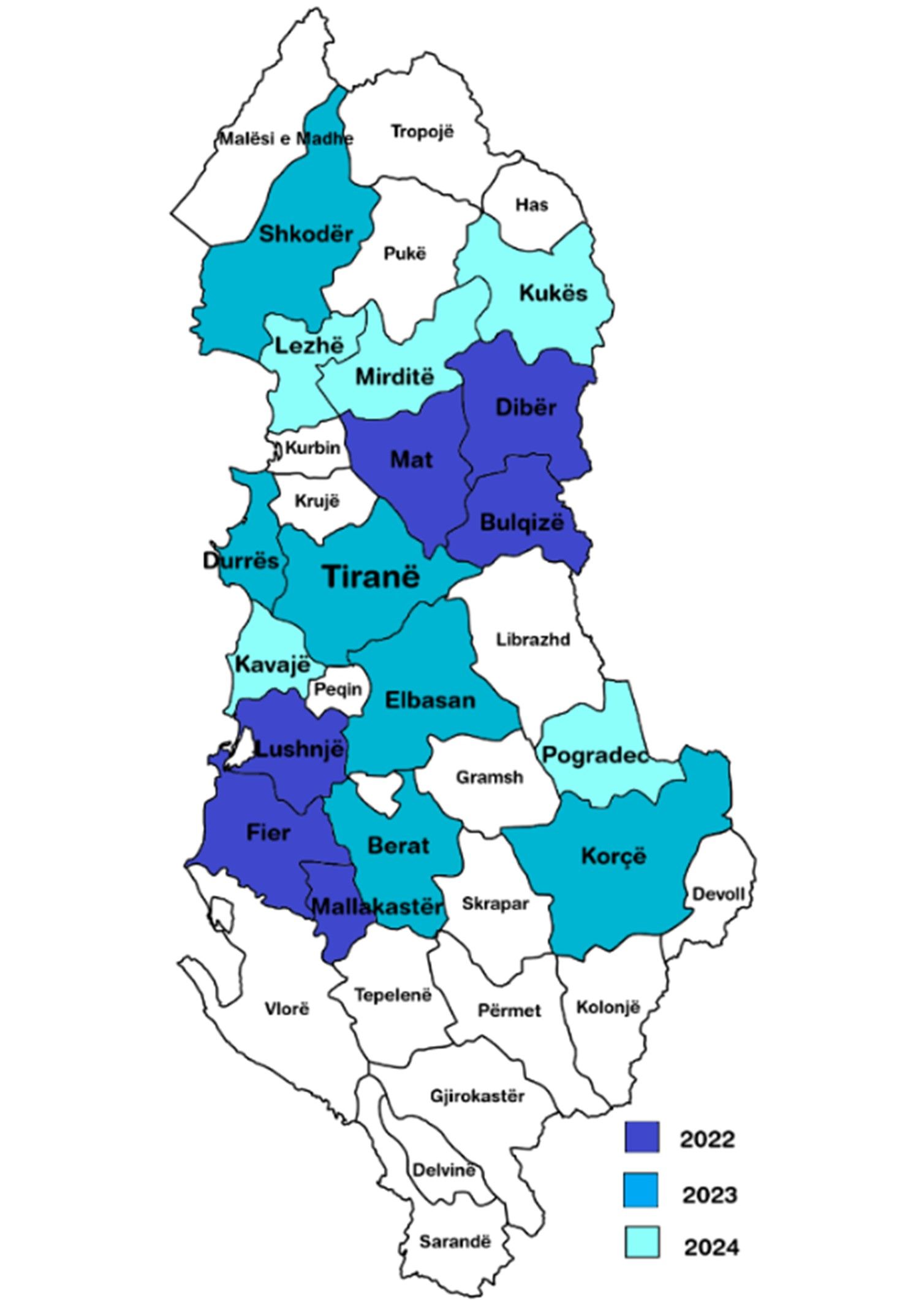
Efforts to scale up home care services across the country are ongoing.