
Global Health Governance
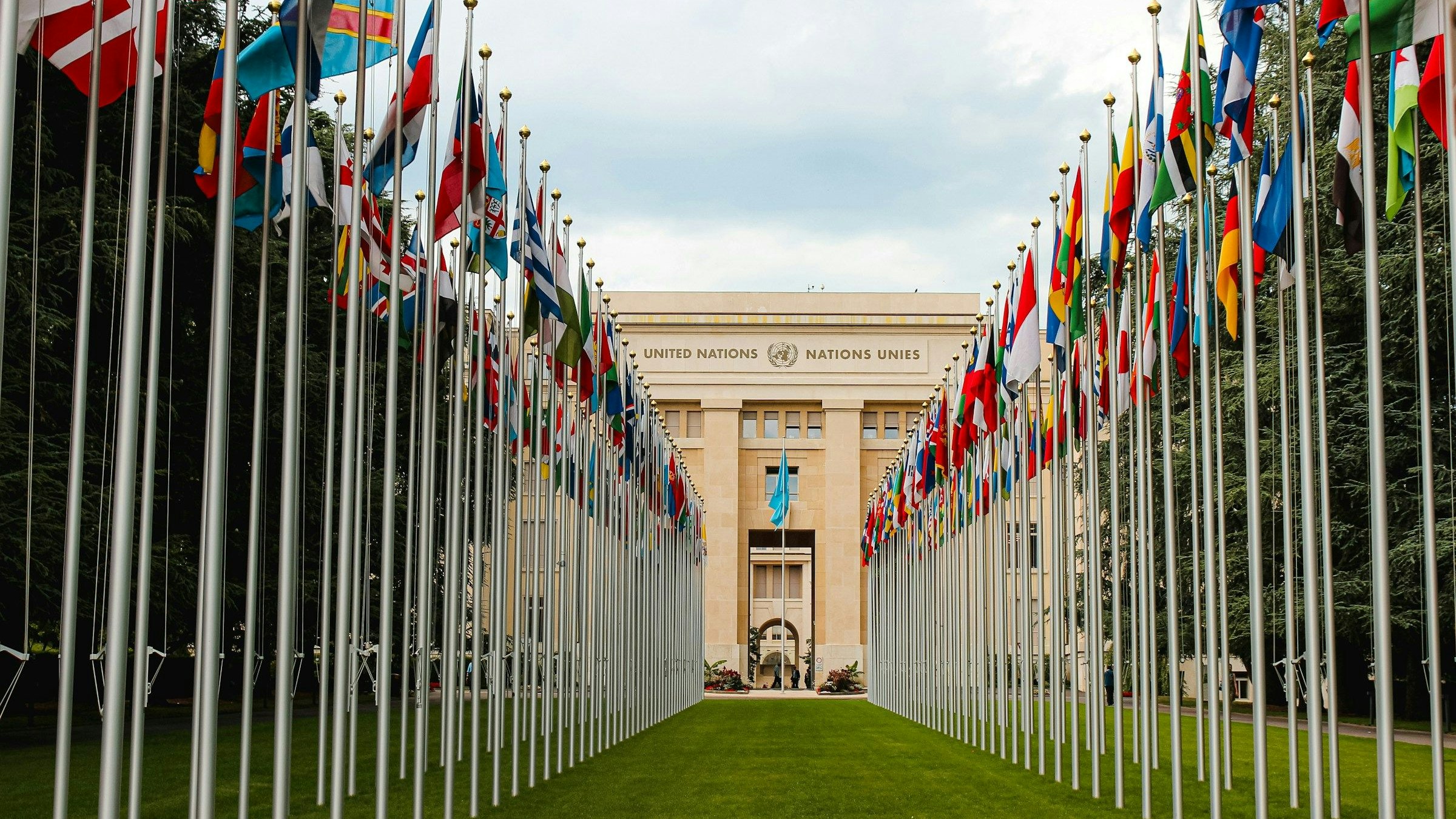
SDC promotes international coherence, multilateral cooperation, and sustainable funding, as well as improved performance, accountability, and compliance of global health institutions. This is necessary to strengthen global health governance and ultimately to increase the effectiveness of global health interventions for the benefit of poor people in low- and lower-middle-income countries.
To this end, and to counter further fragmentation in the global health space, SDC aims to involve all actors, encourage the division of labour and the use of synergies at all levels of global health policy, and create an understanding of the need for interaction between various policy areas in relation to health.
PSE in Health

The global health architecture has undergone fundamental changes in recent years. The number and type of actors working in international cooperation in health and disaster relief are on the rise. Private sector players are among the new actors in global health. The private sector is the world's largest employer, creating around 90% of all jobs worldwide, and has a key role to play in implementing sustainable development. Furthermore, most health systems are mixed systems, where a combination of public and private providers deliver health-related goods and services. It is, therefore, of vital importance to engage with the private sector to foster the sharing and leveraging of good practice models, to develop innovation and incentivise responsible business conduct, to increase the ability of the private sector to fulfil their human rights obligations within the health system, and to strengthen private sector development.