Combating Cholera in Mozambique: A Collaborative Effort to Address Crisis Amidst Conflict and Climate Change
Cholera is endemic in Mozambique, with recurrent annual outbreaks, especially during the rainy season from October to March. However, the dramatic increase in contamination observed in 2023 was unexpected. Factors such as conflict and internal displacement (over a million people have been displaced in Cabo Delgado in the last 7 years), climate change, and multidimensional poverty have all contributed to this situation.
These cholera outbreaks disproportionately affect the poorest and most vulnerable, leading to high costs for the health system and having a devastating socioeconomic impact on individuals and families. This is particularly true for communities in Cabo Delgado, one of the poorest and most underserved provinces in Mozambique.
SolidarMed has been actively operating in southern Cabo Delgado for 25 years, acquiring in-depth expertise in the local health system. As a dedicated implementer of numerous projects, SolidarMed has fostered strong connections and enjoys widespread acceptance and recognition within the communities, among healthcare workers, and with health authorities.
At the end of 2023, SolidarMed, with the SDC office in Maputo and Wiwanana Foundation, a local organization with a strong network of community health workers, decided to join forces to support the health authorities in their fight against cholera. While it was acknowledged that cholera elimination was a long-term objective beyond the reach of this endeavor, it was also recognized that a short and targeted project focusing on communities could help flatten the curve of contaminations and significantly reduce morbidity and mortality rates.
Discussions between the three partners began in November 2023, and the project was implemented from December 11, 2023, to March 31, 2024. The project focused on three main areas: i) the prevention of cholera transmission, ii) the early detection of cholera cases, and iii) the control of cholera transmission chains.
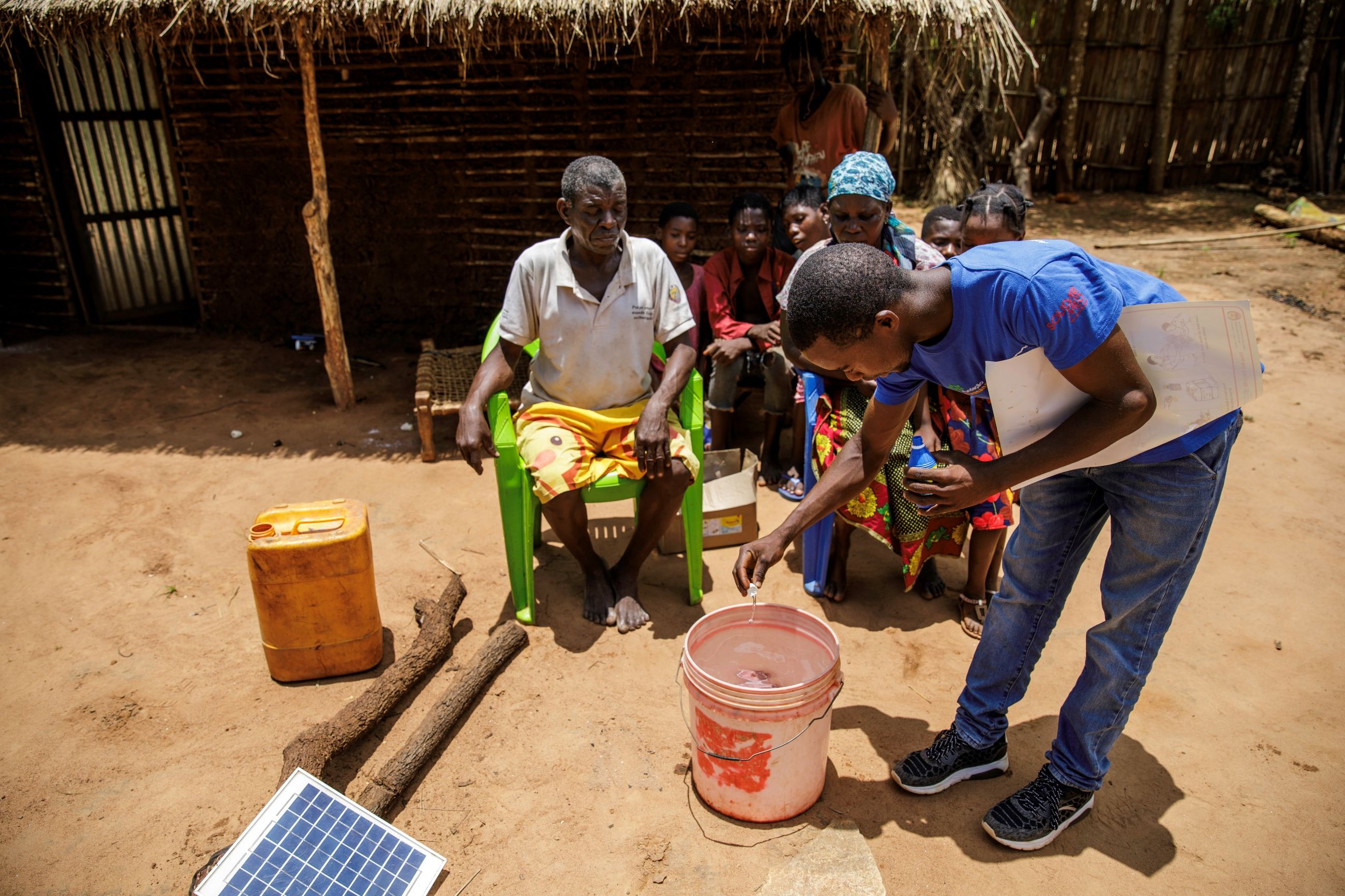
Over three months, the project reached 62 high-risk communities, with more than 100 community health workers trained in hygiene promotion. Plays and radio debates were broadcast in communities, hygiene and disinfection materials were provided to households, water and feces samples were collected and sent to laboratories, contaminated houses were disinfected, and Oral Rehydration Salt was distributed. This significantly contributed to a reduction in cholera transmission in the province.
Short deadlines for agreeing on terms of reference, recruiting community health workers in a short timeframe, and absorbing additional workload in offices already busy with ongoing projects were some of the many challenges that had to be overcome to make this project successful. This project demonstrated that the responsiveness of a few key dedicated partners can mitigate the devastating effects of cholera in communities during an outbreak, better prepare the ground for the prevention of future outbreaks, and pave the way for cholera elimination.
Despite a reduction, cholera transmission is ongoing in southern Cabo Delgado, and the road to elimination remains a longer-term objective. SolidarMed remains committed to the cause and hopes for future partnerships to also tackle the underlying causes.