
Building a more resilient Albania
Albania is a country prone to frequent threats from floods, wildfires, landslides, earthquakes and other crises. The 2019 earthquake and the COVID-19 pandemic revealed vulnerabilities in the national health system, particularly at the primary healthcare level, where limited capacities hampered an effective emergency response. These events underscored the urgent need for stronger community engagement and a better prepared health system. Since 2023, the Swiss Cooperation through the SOLIDAR – Together in Health Emergencies Project has been supporting the country in improving access to quality emergency care services at primary health care level. This initiative, implemented under SDC’s health priority area, focuses on building a resilient health emergency system that operates effectively at all levels from community to national level.

High-Quality Emergency Medical Services for All
Enhancing the knowledge and skills of health workers in 24/7 health centres (HCs) and municipality hospitals (MHs) is a core component of improving emergency care services at primary healthcare level. Significant progress has been achieved by reaching more than 850 doctors and nurses with training on first aid and basic life support. The training programme combines theoretical knowledge with hands-on practice, covering essential topics like cardiac arrest response, airway management, and the use of automated external defibrillators, as well as numerous real-life situations that require specific first aid skills. Two ‘training of trainers’ sessions were conducted to prepare healthcare professionals to serve as trainers and thereby ensuring the sustainability of basic-life support and first-aid training within the system.
In addition, SOLIDAR is providing a wide programme of advanced medical emergency training for doctors and nurses working in 24/7 health centres and municipal hospitals. Through a cooperation with Swiss Foundation for Innovation, the project is implementing a five-day training based on internationally recognised and certified courses for immediate life support and trauma life support. Overall, SOLIDAR is providing advanced emergency response capacities and protocols to 160 doctors and nurses from 16 different municipalities in Albania.
“It’s crucial that people receive emergency aid and response as soon as possible and as close as possible to where it’s needed” – Swiss Ambassador Ruth Huber.
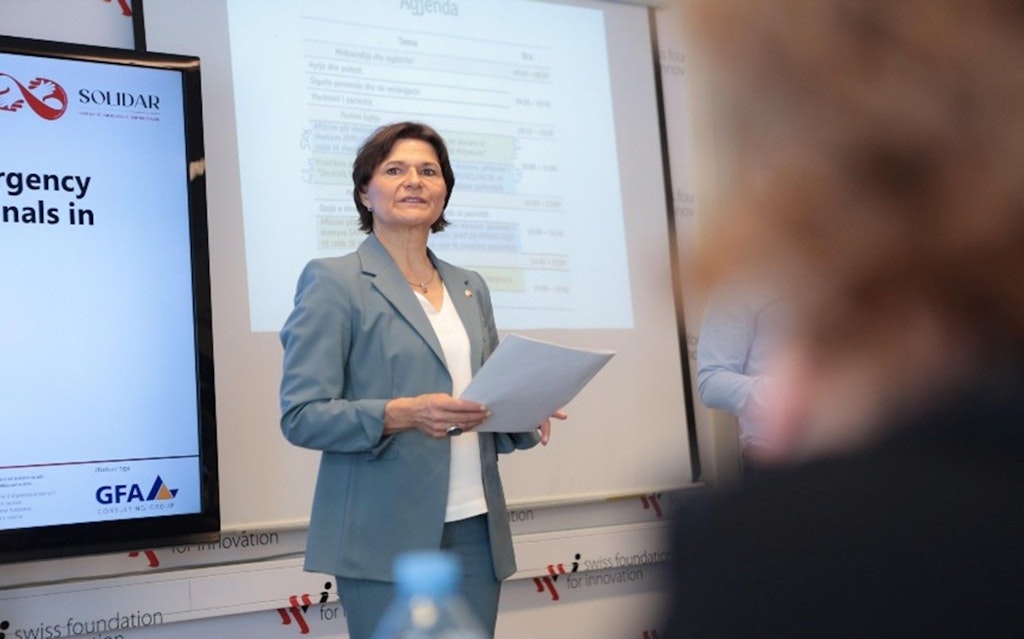
Efforts are underway to launch an online training platform for doctors and nurses in primary healthcare. This platform is envisioned as a key tool for remote learning and skills development, marking a notable shift in the approach to capacity building.
Furthermore, Albania’s 24/7 health centres are going digital in emergency care reporting. In close partnership with the National Health Insurance Fund, a revitalized emergency medical services (EMS) reporting module is being rolled out nationwide to improve data accuracy, timeliness and continuity of care. Targeted facilities have received training on using the reporting module, enabling health professionals to use the system for more accurate, timely, and integrated emergency care data.
Communities at the Heart of Resilience
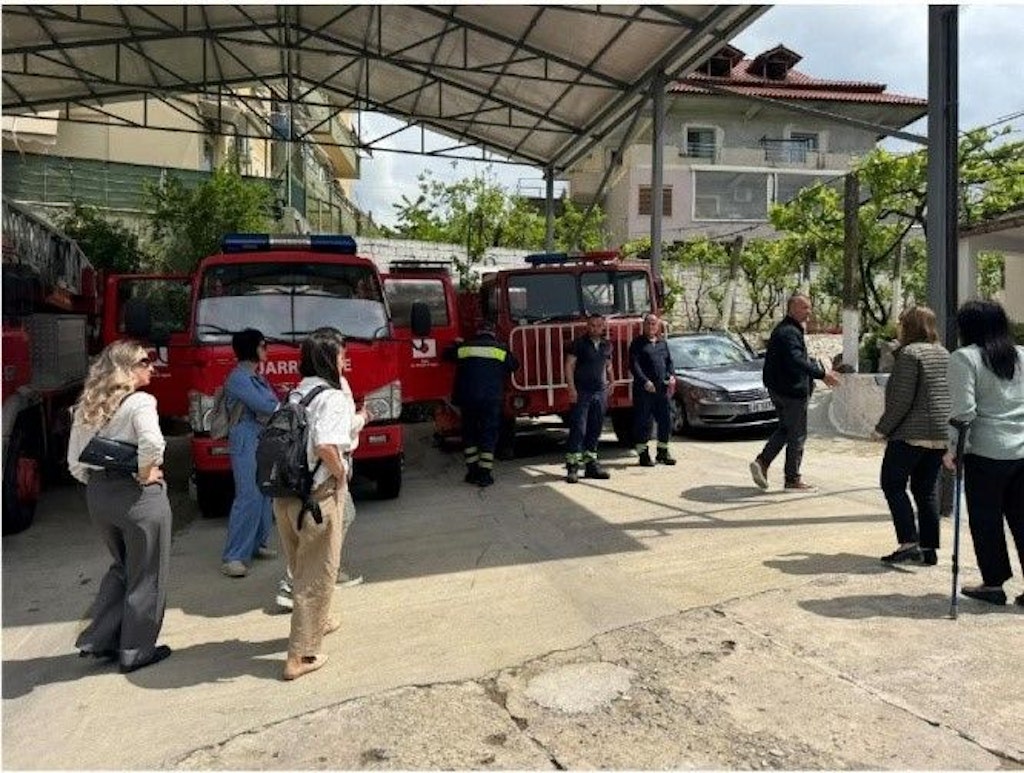
Strong communities are central to preparedness. The project has established five Community Resilience Networks (CRNs) in Pukë, Dajç, Fushë-Krujë, Gramsh, and Përmet, bringing together over 80 members from local authorities, healthcare workers, patient associations, and community leaders. The CRNs collaborate with municipal authorities, positioning them within local disaster risk management frameworks. Through targeted sessions to improve group cohesion and community engagement, public awareness is boosted, sparking dialogue on emergency readiness and patient rights. An exchange visit between the CRN in Dajç and the CRN in Gramsh strengthened the cooperation and made it possible to share best practices. While the CRNs are still in the process of obtaining formal recognition, other organisations have already shown interest in adapting and replicating this approach.
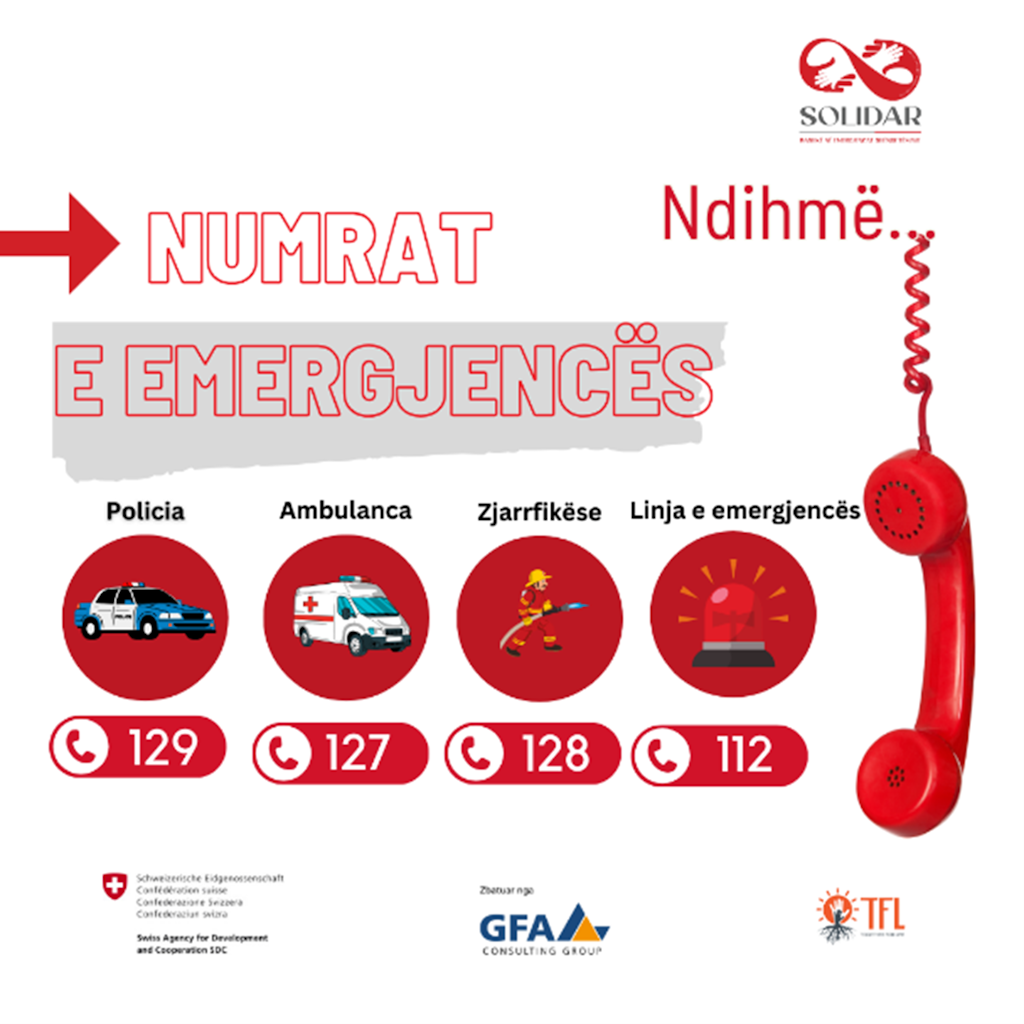
A System Ready for Emergencies
Building resilience also requires strong governance. The project is developing evidence-based protocols for managing two of the most common emergencies: chest pain and anaphylaxis. Draft guidelines have already undergone peer review and consultation with national experts, while training for primary healthcare staff is planned after the final approval. Furthermore, the national training system for emergency care is being strengthened through an Action Plan for Continuing Medical Education and new university curricula in emergency medicine and first aid. These are designed to equip both current and future healthcare professionals with essential skills for emergency response. In line with Albania’s legal reforms in civil protection and local governance, the project supports municipalities and health institutions with embedding health priorities into disaster risk assessments and local emergency plans.
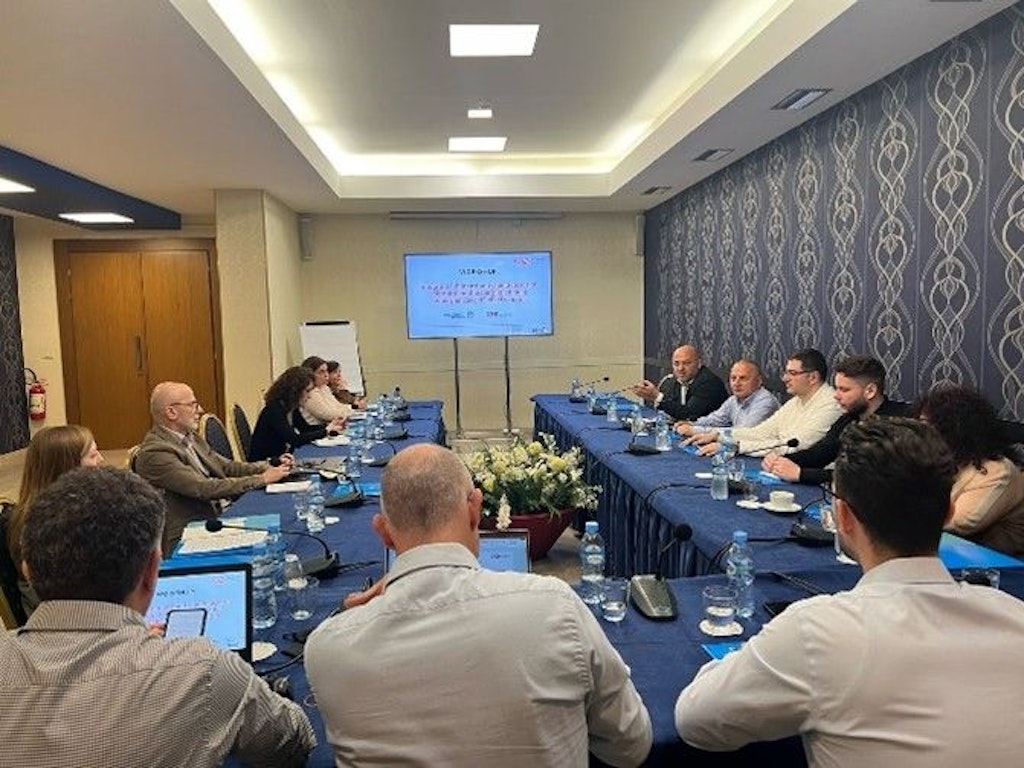
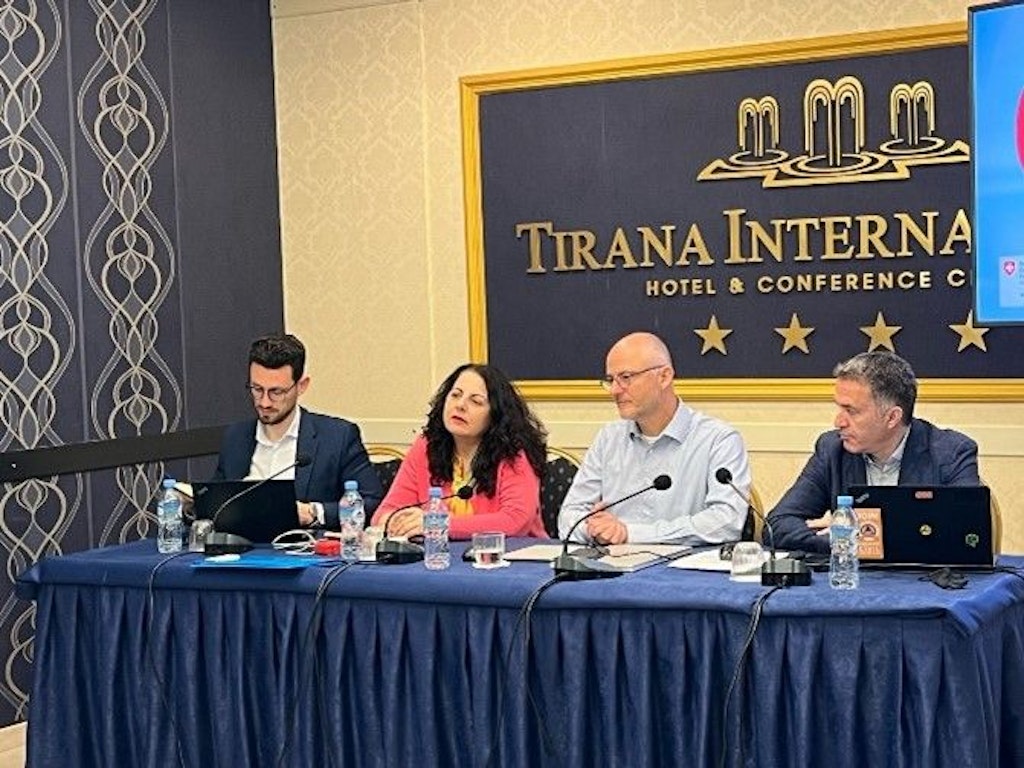
Through these three interconnected outcomes – system resilience, quality emergency services, and empowered communities – Swiss Cooperation is supporting the groundwork for an Albania that is better prepared, better equipped, and better united in the face of health emergencies.
Learn more about SOLIDAR’s initiatives by visiting SOLIDAR’s official website.
Lina Brandt GFA
Consulting Group GmbH, Germany
LinkedIn | lina.brandt@gfa-group.de