
Advancing multisectoral solutions for NCD prevention at the 2025 Global NCD Alliance Forum
Under the theme “Leadership on NCDs Towards 2025 and Beyond”, the Forum convened a diverse group of stakeholders, including civil society, governments, UN agencies, academia, and the private sector. With discussions centered on three main topics, namely inspiring leadership, mobilizing sustainable financing, and empowering communities, the Forum aimed to elevate awareness of NCDs, accelerate collective action, promote evidence-based practices, and drive global commitment to prioritizing NCDs in health and development agendas.
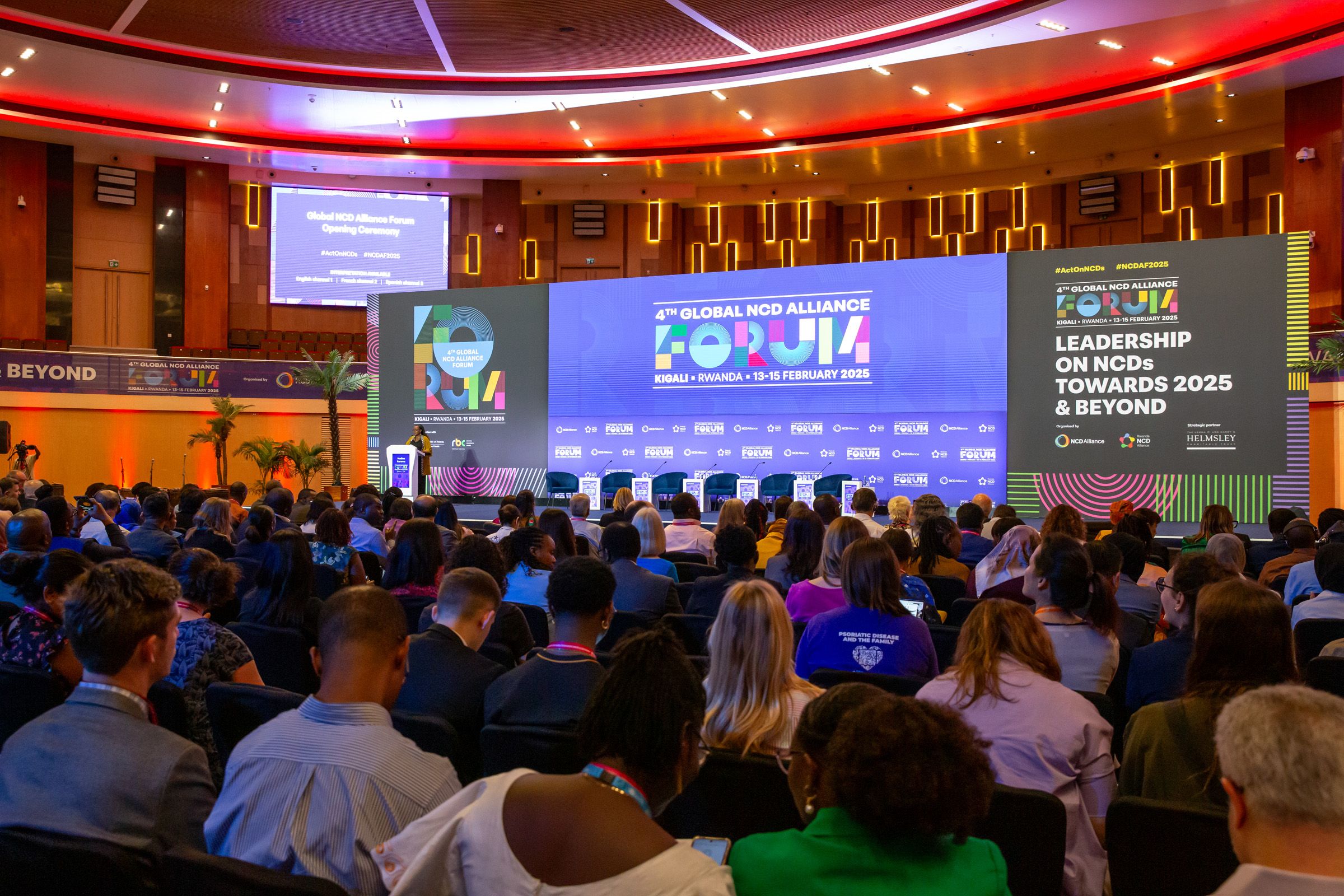
Key themes that stood out throughout the Forum were the importance of cross-sector collaboration and partnership, the urgent need for community-driven approaches and engaging people with lived experiences, advocating for high-level commitment and accountability, alongside securing sustainable funding for NCD initiatives, especially in low-resource settings.
NICE Project’s Satellite Session with the World Obesity Federation
The NICE project’s work in Rwanda with Swiss TPH and the Sight and Life Foundation, and in Kenya with the Diabetes Awareness Trust was highlighted as a practical example of how to integrate nutrition, food systems, and health policies to combat NCDs. The double burden of malnutrition - where undernutrition and overnutrition coexist - is a growing issue in urban settings of LMICs, exacerbating the prevalence of NCDs and straining health systems. NICE is reducing the burden of diet-related NCDs by linking nutritious foods that are produced locally using agroecological practices to an increased demand for balanced diets among urban dwellers. Through a multisectoral approach, NICE engages agricultural, food, and health sectors, along with public-private partnerships, to implement locally driven interventions in Bangladesh, Kenya, and Rwanda, with a strong emphasis on women, youth, and vulnerable populations.
The satellite session titled “Healthy Cities, Healthy Lives: integrating the response to the Double Burden of Malnutrition and NCDs in LMICs” featured experts from public health, healthcare, and food systems, as well as community champions and youth advocates. Together, speakers and panellists discussed community-driven initiatives and coordinated multisectoral actions to address the double burden of malnutrition and NCDs in urban settings in LMICs.
Key takeaways from the session:
- The coexistence of undernutrition and overnutrition in LMICs is both underrecognised and staggering, disproportionately affecting women and urban populations
- Intersectoral collaboration is essential to addressing malnutrition and NCDs – NICE exemplifies a systemic approach integrating agriculture, food, health, education, and social sectors
- Active community participation and strong governance are critical for sustainability and impact
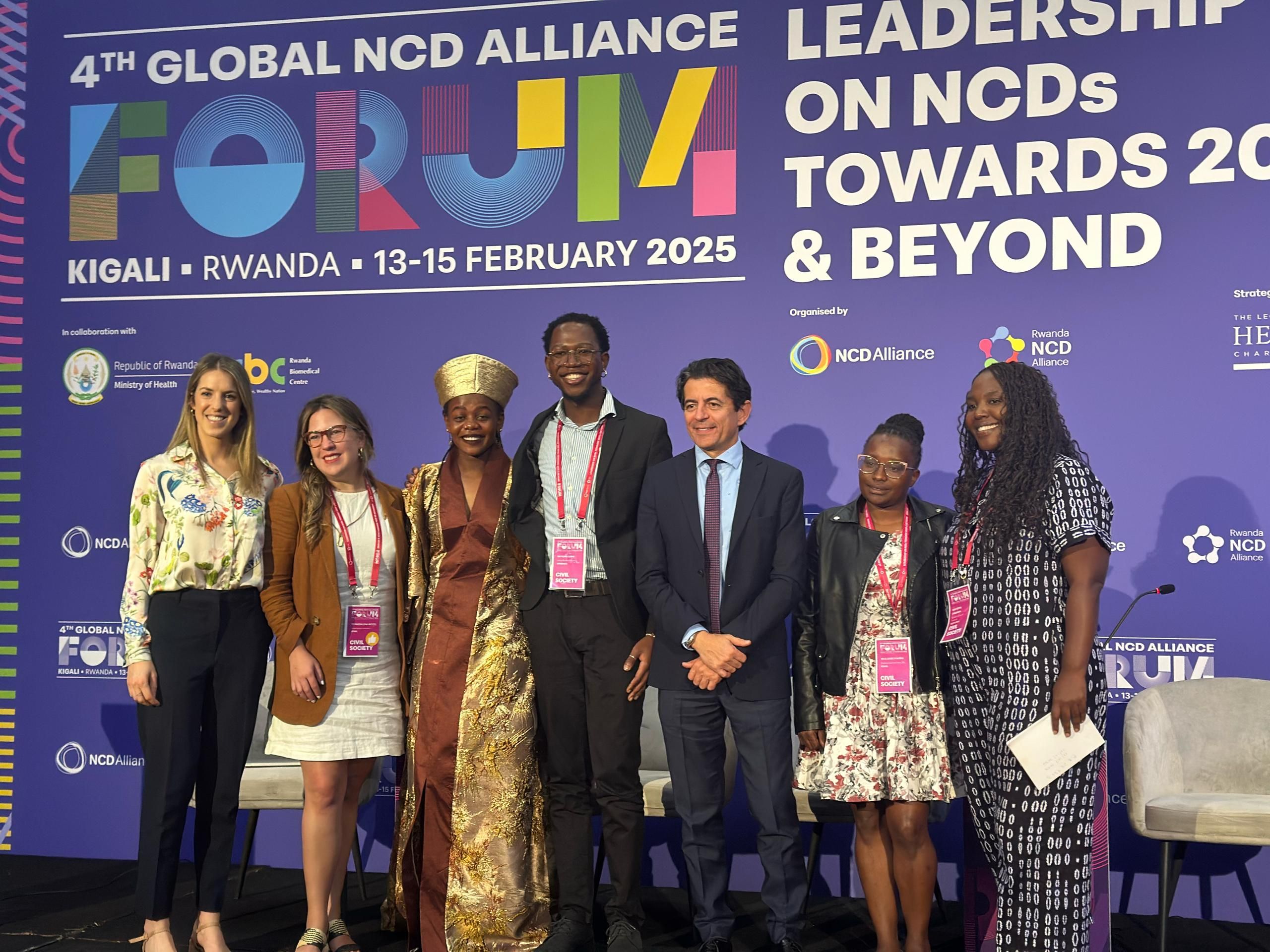
Final takeaways from the Conference
Reflecting on the discussions, two major lessons stood out:
- Collaboration is non-negotiable: the fight against NCDs requires breaking down silos and forging meaningful partnerships across sectors. Every actor has a role to play, and collective action is the key to impactful change
- Inclusion must be at the core: people living with NCDs, particularly women and youth, must have a seat at the table. Their voices and experiences should drive the response to ensure effective and sustainable solutions.
In her closing remarks, NCDA President Dr. Monika Arora reinforced the need for sustained leadership: “We must create environments that promote health, implement evidence-based public health policies, and ensure access to affordable treatment for all. The clock is ticking. The time to lead is now.”
NICE – Nutrition in City Ecosystems is supported by SDC and implemented by a Swiss public private partnership of Swiss TPH, Sight and Life, ETH-Zürich and Sustainable Agriculture Foundation.